





Welcome to Changelog for 2/27/22, published by Synack! Russia’s invasion of Ukraine ushered in a bleak new era for Europe.
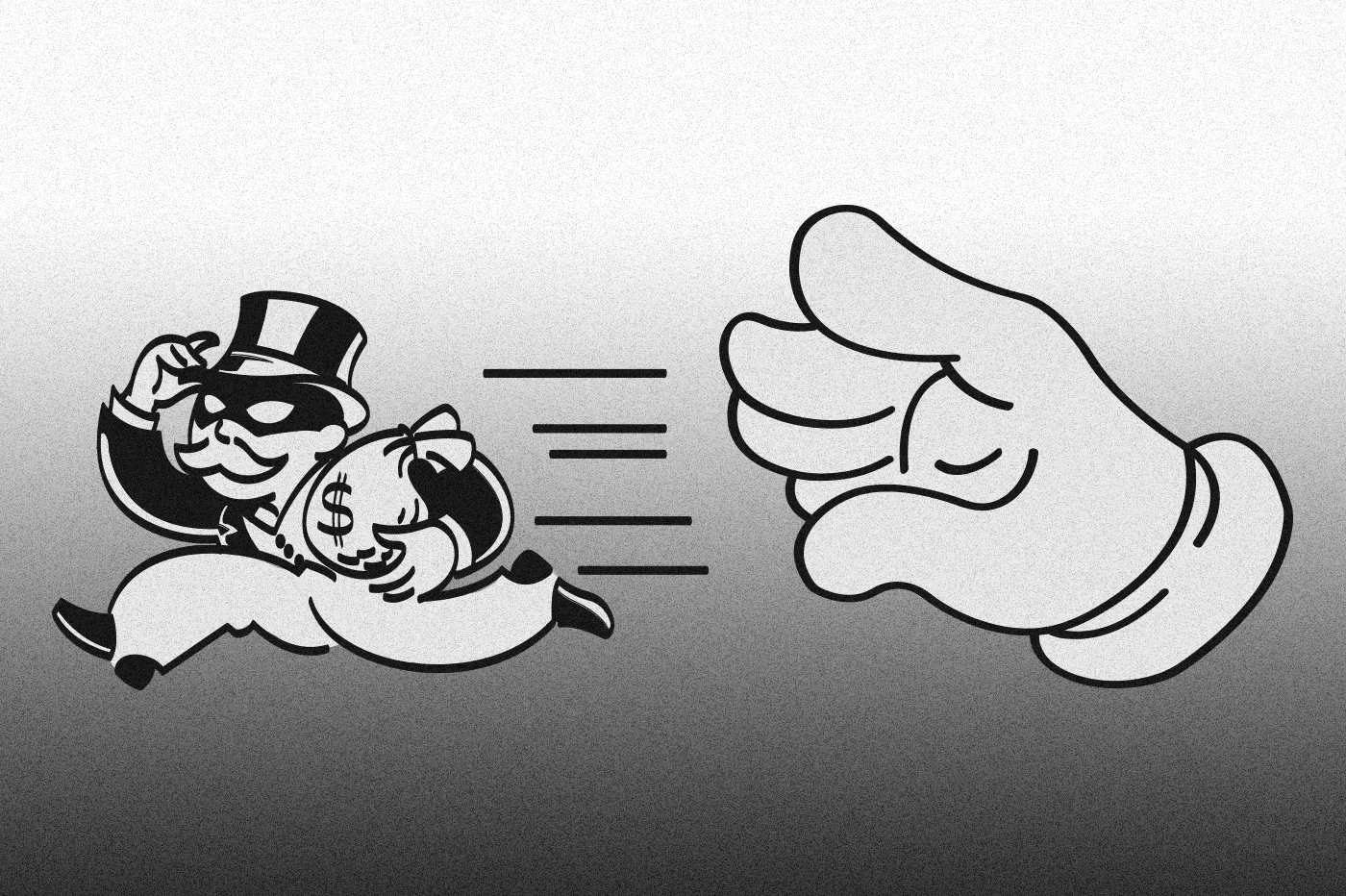
The sudden demise of darknet site Monopoly Market may have coincided with an exit scam. Experts say such con jobs could grow more common as law enforcement takedowns pressure dark web operators.

HermeticWiper, much like the WhisperGate malware discovered in Ukrainian networks last month, deletes the Master Boot Record that allows the Windows operating system to load.

Welcome to Changelog for 2/20/22, published by Synack! The past week brought rapid-fire U.S. attribution of Russian cyberattacks, an unusually frank U.S. government hearing on China’s cyber capabilities and previously unreported connections between the infamous Turla hacking group and Moscow’s FSB spy agency.

A Super Bowl ad last week from cryptocurrency platform Coinbase featured a bouncing QR code that ruffled feathers in the cybersecurity community. Some experts say the risks of scanning it may have been overblown.
A trove of emails from top Homeland Security officials expose how the U.S. government scrambled to ensure the defenses of American utilities after Russia brought down parts of Ukraine’s power grid in 2015.
Welcome to Changelog for 2/13/22, published by Synack! I’m your host, Blake. From some pretty serious Apple patches to a disheartening update on the Log4j vulnerability’s long tail, last week’s threat level was tomato.

Blake here, reporting from Washington. It’s been another jam-packed week for cybersecurity news, with a massive crypto heist, a first-of-its-kind NSA interview and some gloomy numbers for a Pentagon supply chain security program.
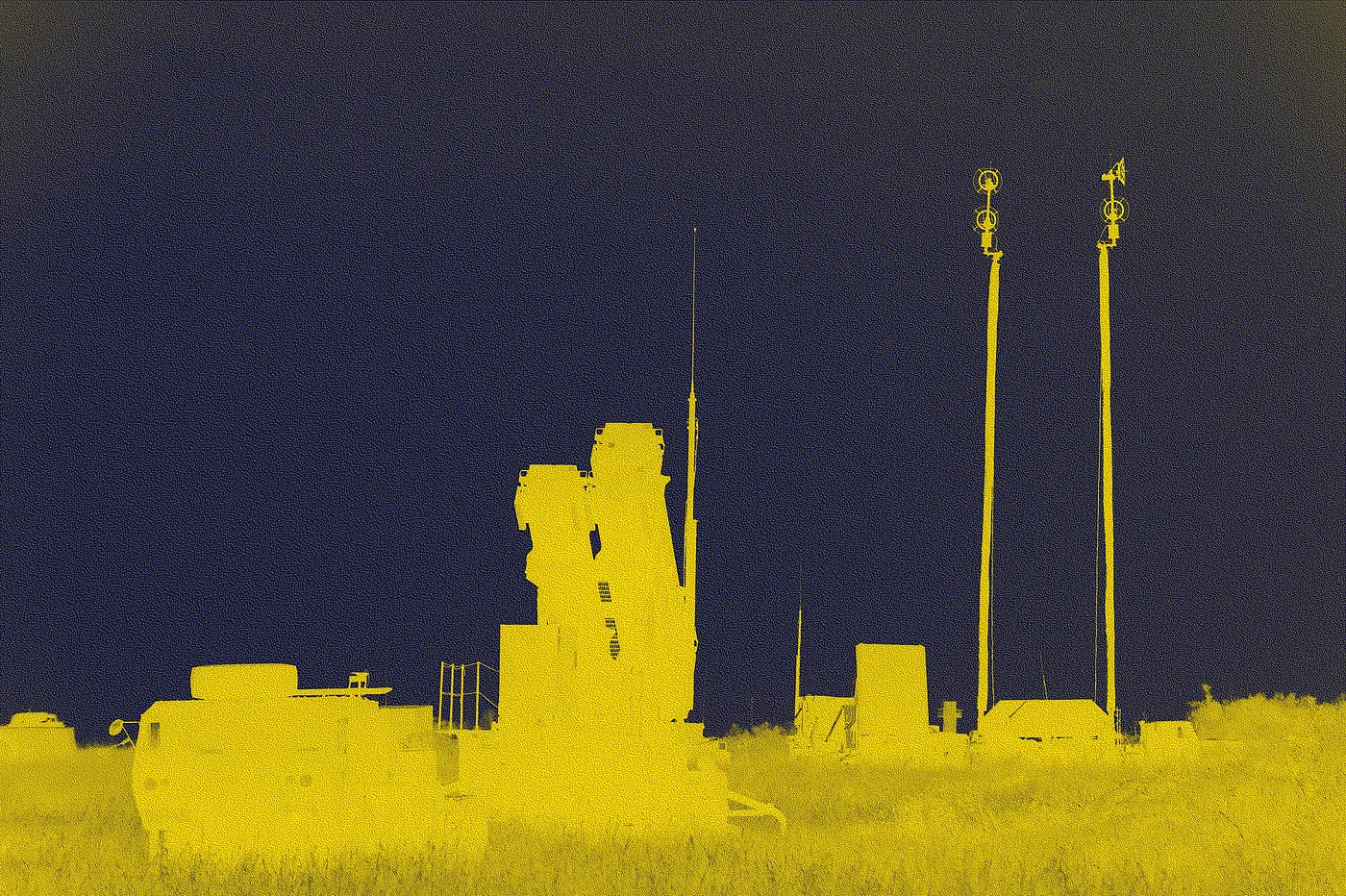
The Biden administration is forging ahead with a scaled-back plan to regulate cybersecurity in the vast and complicated defense industry marketplace. But the halting rollout of the Cybersecurity Maturity Model Certification, or CMMC, program illustrates the perils and pitfalls of rewriting supply chain cyber rules for the defense industrial base.